Earthquake Modeling Studies Completed for the Infrastructure and Superstructure Assets of the Northern Marmara Motorway
T-Rupt, which provides catastrophe modeling solutions, has completed scenario-based and stochastic earthquake modeling studies for the infrastructure and superstructure assets of the Northern Marmara Motorway (KMO).
The study aimed to assess the financial damage to motorway infrastructure and superstructure due to earthquake impacts using probabilistic methods and to provide stakeholders with scientifically grounded insights from a broad perspective.
The stochastic earthquake modeling conducted by T-Rupt simulates the overall seismic activity of the Marmara Region, while scenario-based modeling provides loss estimates for critical earthquake scenarios. Such loss modeling is of great importance for the sustainability of infrastructure and superstructure investments and for risk management.
In the study, which calculated the risks faced by tunnels, major and minor engineering structures, motorways, and service buildings under KMO’s responsibility in the Marmara Region against potential earthquake impacts, the analysis process was carried out using two methods. The first was a modeling approach based on a stochastic earthquake catalog, representing annual seismic activity across Türkiye and calculating financial losses for different annual exceedance probabilities (or return periods). In scenario-based earthquake modeling, two scenarios for the Marmara Sea and one for the Black Sea were considered, revealing the cumulative damages that could be caused by large and characteristic earthquakes. For these scenarios, the report presents average loss values as well as loss estimates corresponding to 10% and 5% exceedance probabilities.
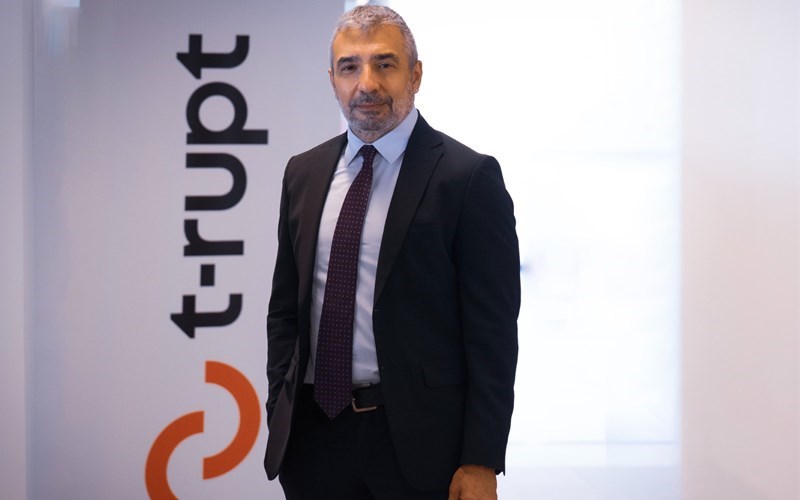
Commenting on the studies in question, T-Rupt Chief Modeler Prof. Dr. Sinan Akkar stated: “Earthquake modeling scientifically quantifies the potential financial losses that a major investment with critical infrastructure and superstructure such as the Northern Marmara Motorway may face, and provides information that will support sector stakeholders and decision-making mechanisms.”
KMO CFO Mehmet Ünlü described the study as a project that enables transparent assessment of portfolio risks and creates important awareness for stakeholders.